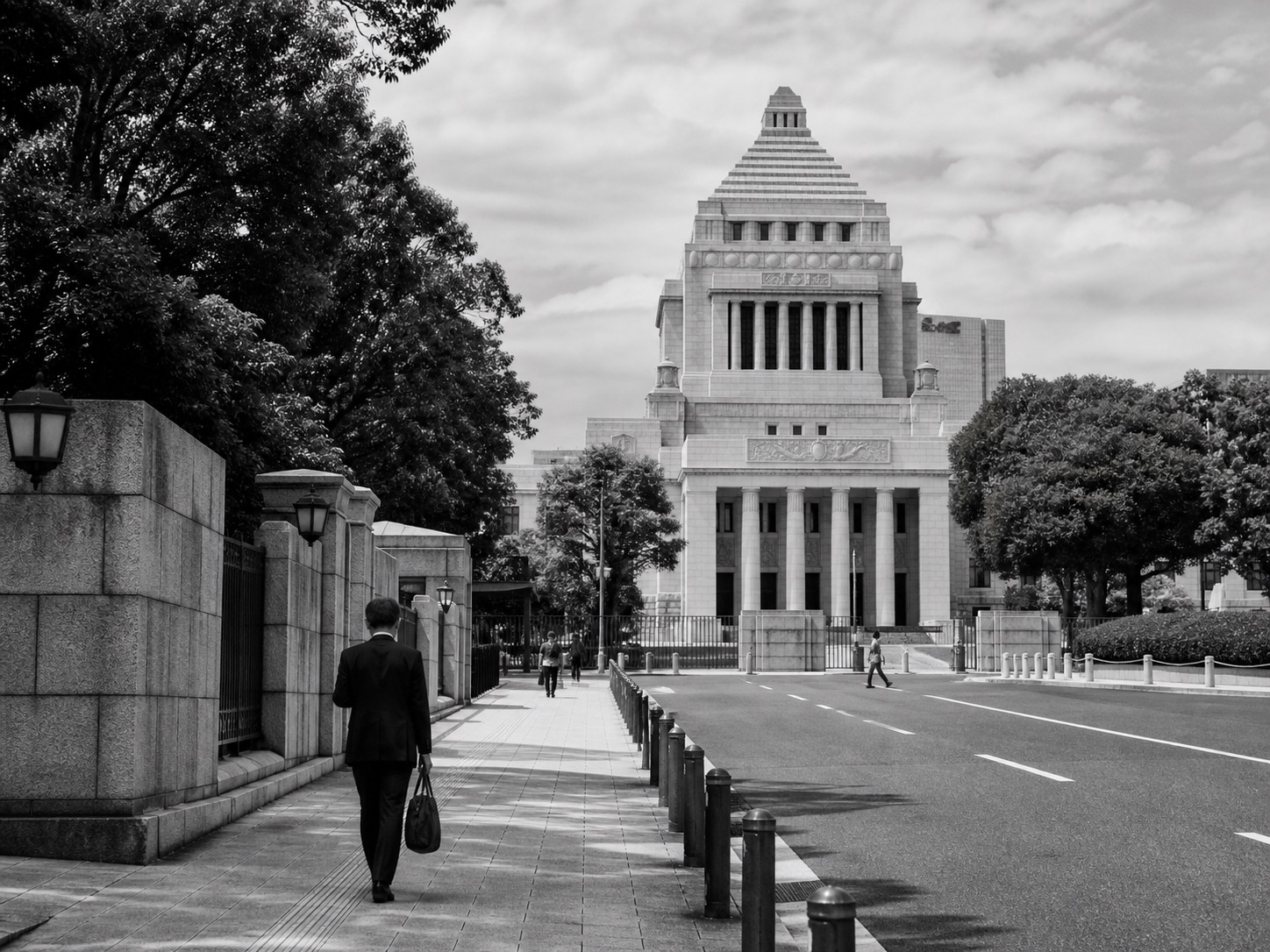
What equal rights require in practice
Equal rights are not achieved by declaring everyone the same. They require protection from discrimination, access to institutions, and the ability to live without a penalty for identity.

“Everyone is equal” can mean at least two different things. A law may use the same words for everyone, while people still face different barriers when they try to get a job, rent a home, access healthcare, use a public service, or move through a street safely.
Formal and substantive equality
Formal equality asks whether a rule treats categories the same. Substantive equality asks whether the rule and the surrounding institution produce a fair ability to participate. A building can be open to everyone while its entrance excludes people who cannot use stairs. A hiring process can use one test while rewarding a background not everyone had the chance to obtain.
The second question does not abandon equal treatment. It recognises that context can turn a neutral procedure into a barrier.
Discrimination has patterns
Direct discrimination is visible in an explicit exclusion. Structural discrimination is distributed across rules, habits, data, costs, and power. A person may be treated badly by no single dramatic decision and still face a repeated pattern that limits their choices.
This is why protection needs more than a statement of values. People need clear rules, accessible complaint paths, independent review, safe reporting, and institutions willing to change a practice when evidence shows harm.
Inclusion is not only representation
Representation can make a place feel possible, but presence is not power. An organisation can display diversity while leaving decision-making, pay, safety, and promotion unchanged. Inclusion asks who can speak, who is believed, who can leave without retaliation, and who benefits from the system.
The same principle applies to technology. A model, form, or ranking can reproduce a barrier even when no engineer intends discrimination. Testing outcomes, listening to affected people, and making correction possible are part of equality work.
Equal rights are therefore an operating condition, not a slogan. They are present when people can use institutions without surrendering their identity, safety, or dignity as the price of entry.
Sources & methodology
The sources below anchor the explanation. They are starting points for verification, not decoration.
- 01 Office of the United Nations High Commissioner for Human Rights — LGBTI people
Human-rights context for discrimination, violence, legal protection, and equality based on sexual orientation and gender identity.
- 02 United Nations Free & Equal
Public education and global context for LGBTI equality and inclusion.
- 03 International Labour Organization — Equality and discrimination
Workplace context for equal opportunity, discrimination, and decent work.