How Japan chooses its prime minister
Japan’s prime minister is not elected in a separate national vote. The position emerges from parliament, party leadership, and the balance between the two houses of the Diet.
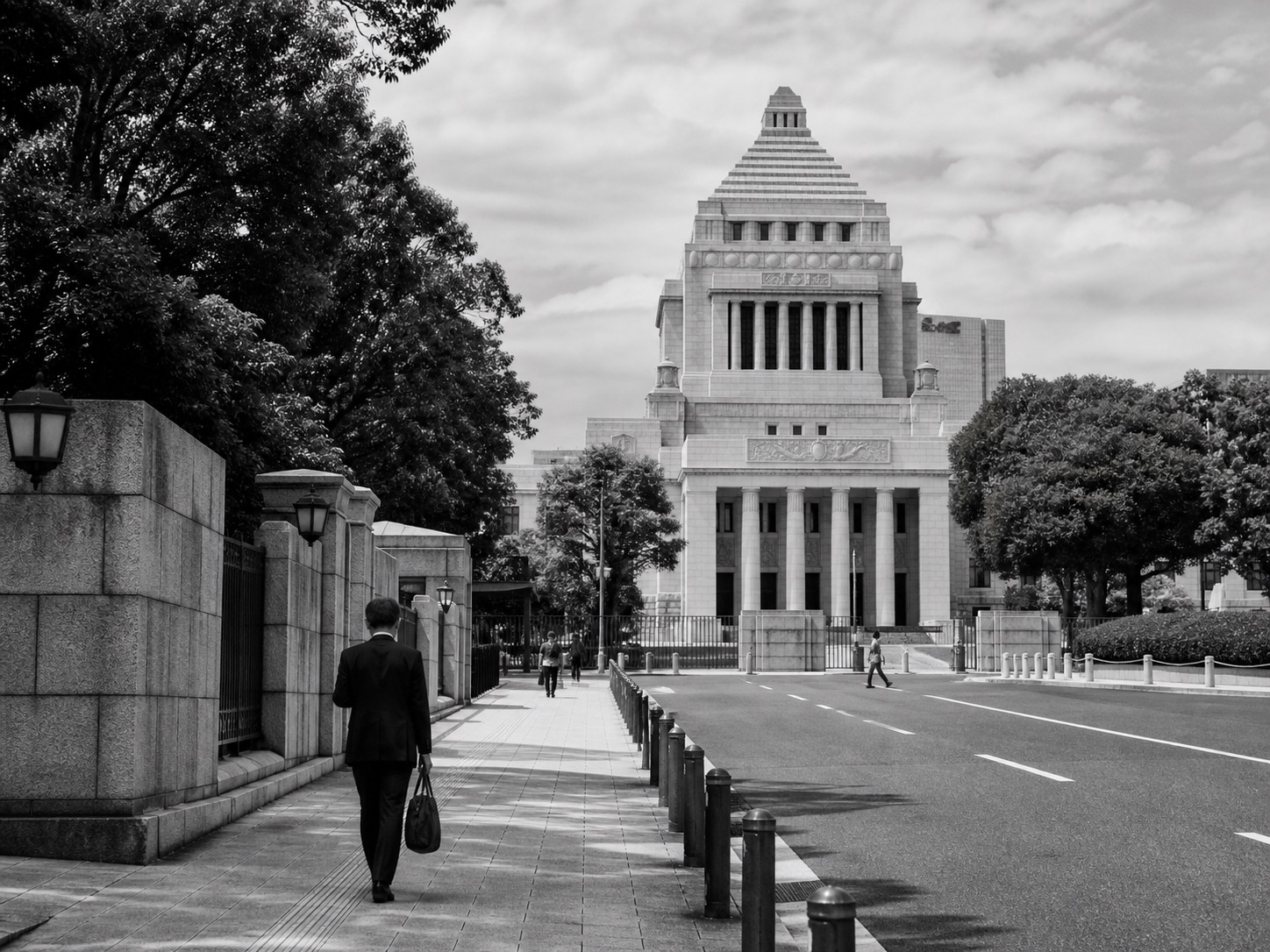
Japan has a national government, but it does not have a separate nationwide ballot for prime minister. Voters elect members of the National Diet. The prime minister is then designated by the Diet and formally appointed by the Emperor.
The constitutional route
The Constitution gives the Diet the job of designating the prime minister from among its members. The designation happens after a general election, a change in governing coalition, or the resignation of a sitting prime minister. The Emperor’s role is formal: appointment follows the Diet’s designation and does not represent an independent political choice.
Japan’s parliament has two houses: the House of Representatives and the House of Councillors. Both participate in the process, but the Constitution gives the lower house priority if the two houses select different people and cannot resolve the disagreement within the prescribed period.
Why party politics matters more than the floor vote
The formal vote is important, but it usually confirms a political decision made earlier. The party or coalition that can command a majority in the House of Representatives has the best chance of forming a government. Inside that party, the leadership contest determines who can claim the mandate to lead the coalition.
This is why a Japanese prime-ministerial transition can feel sudden even though the constitutional steps are clear. The public may be watching a party leadership election, a coalition negotiation, or a confidence problem inside the governing bloc. Once that internal contest is settled, the Diet designation often follows quickly.
A system built around parliamentary confidence
The House of Representatives can be dissolved, and the Cabinet is collectively responsible to the Diet. These features make the lower house central to government stability. A prime minister needs more than a party title; they need enough support to pass budgets, legislation, and confidence votes.
That support can be complicated by factional politics, coalition partners, scandals, or an upper house that is controlled by a different alignment. The result is a system where executive power is strong when the governing party is disciplined, and fragile when its internal arithmetic breaks apart.
What to watch when leadership changes
When a Japanese prime minister changes, three questions reveal more than the headline. Who controls the governing party? Does the coalition still command the lower house? And what policy agenda can survive the Diet’s committees and budget process?
The answer explains why the same country can alternate between apparently stable leadership and frequent changes without changing its constitutional form. Japan’s political system is not a presidential contest with a single decisive night. It is a parliamentary system in which party organisation, lower-house numbers, and institutional procedure do most of the work.
Sources & methodology
The sources below anchor the explanation. They are starting points for verification, not decoration.
- 01 The Constitution of Japan — English translation
Articles 6 and 67 set out the formal role of the Diet and the designation of the prime minister.
- 02 House of Representatives of Japan
Background on the lower house, its functions, and the parliamentary setting in which governments are formed.
- 03 House of Councillors of Japan
The upper house’s official overview, useful for understanding the two-house structure of the Diet.