04 / Work
Work / AI in Asia
Work is where abstract technology becomes a daily decision. Follow the people, institutions, and constraints that decide whether new tools create capacity or simply create more work.
Start here
Work & society · Education & work · Technology & work · AI & workMore from this desk
6 carefully scoped explainers, ordered by the questions they help answer.

What algorithmic management means for work
Software can assign tasks, measure performance, and shape schedules. The real question is whether workers can understand, challenge, and improve the system making those decisions.
Why coding education is really systems education
Teaching programming is not mainly about producing junior developers. It is about helping people understand instructions, constraints, feedback, and the systems they use every day.
Why Japan has labour shortages even when growth feels slow
Japan’s labour shortage is not one vacancy problem. It is the meeting point of demography, sector mismatch, regional decline, and a work culture being forced to adapt.
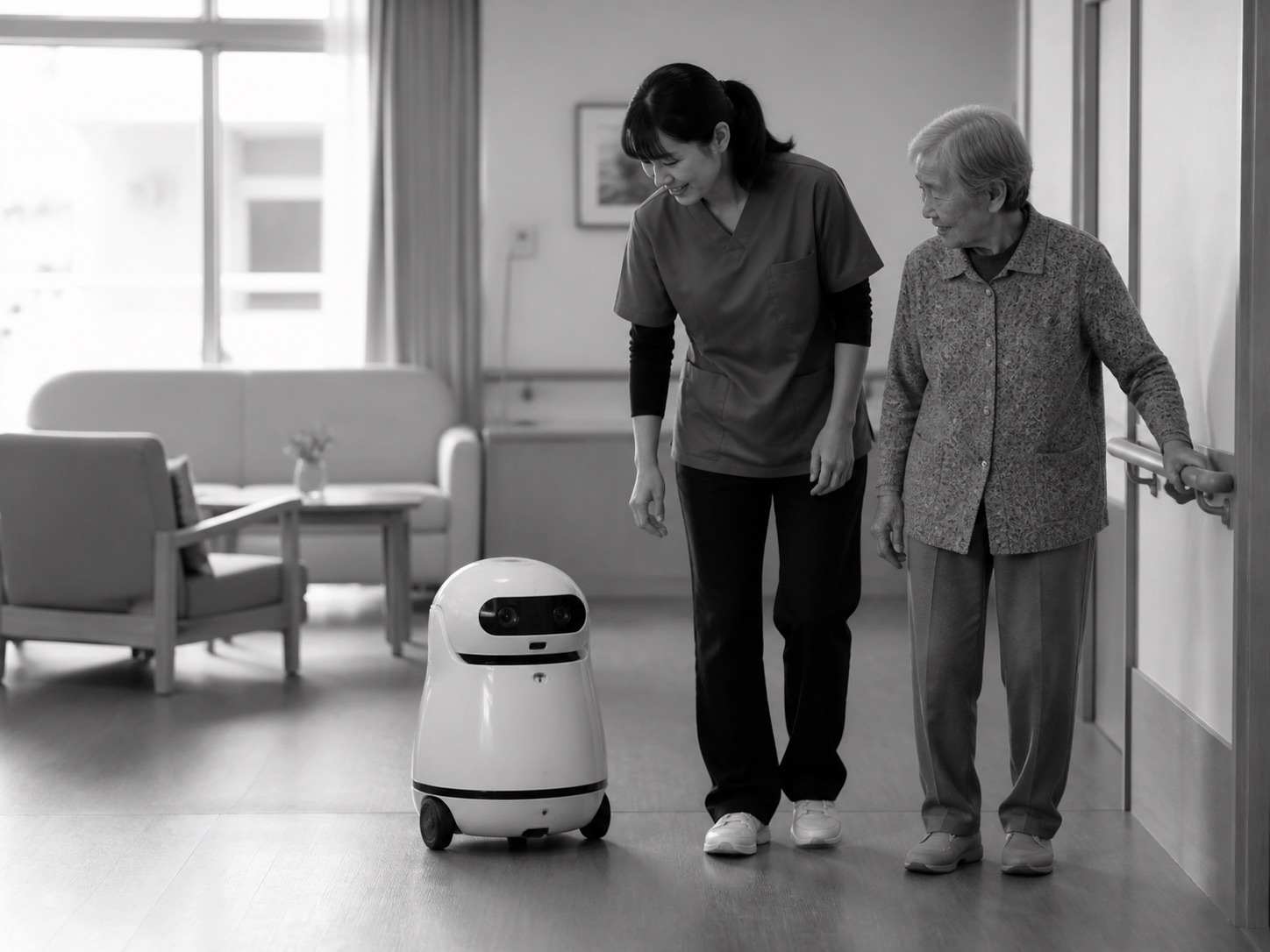
What Japan’s care-robot experiments are really trying to solve
The most useful care technology does not replace a caregiver. It gives scarce people more time for the parts of care that machines cannot do.

Why AI adoption looks different across Asian companies
The gap between an AI demo and useful adoption is usually organisational. Industry, language, regulation, data quality, and management habits decide what happens after the pilot.