02 / Japan
Japan Explained
Japan is not a collection of paradoxes. It is a set of systems with histories. Start here for the context behind the institutions, work patterns, and choices that shape modern Japan.
Start here
Work & society · Politics & institutions · Economy & data · Law & society · Culture & society · Economy · Markets & systems · Media & business · Culture & history · Economy & policy · Mobile systems & society · Infrastructure & everyday life · Culture & business · Data & society · Science & society · Education & work · Everyday systems · Data & life · Society & policy · Rights & public life · Consumer systems · Media & markets · Health & society · Demographics & society · Technology & workMore from this desk
28 carefully scoped explainers, ordered by the questions they help answer.
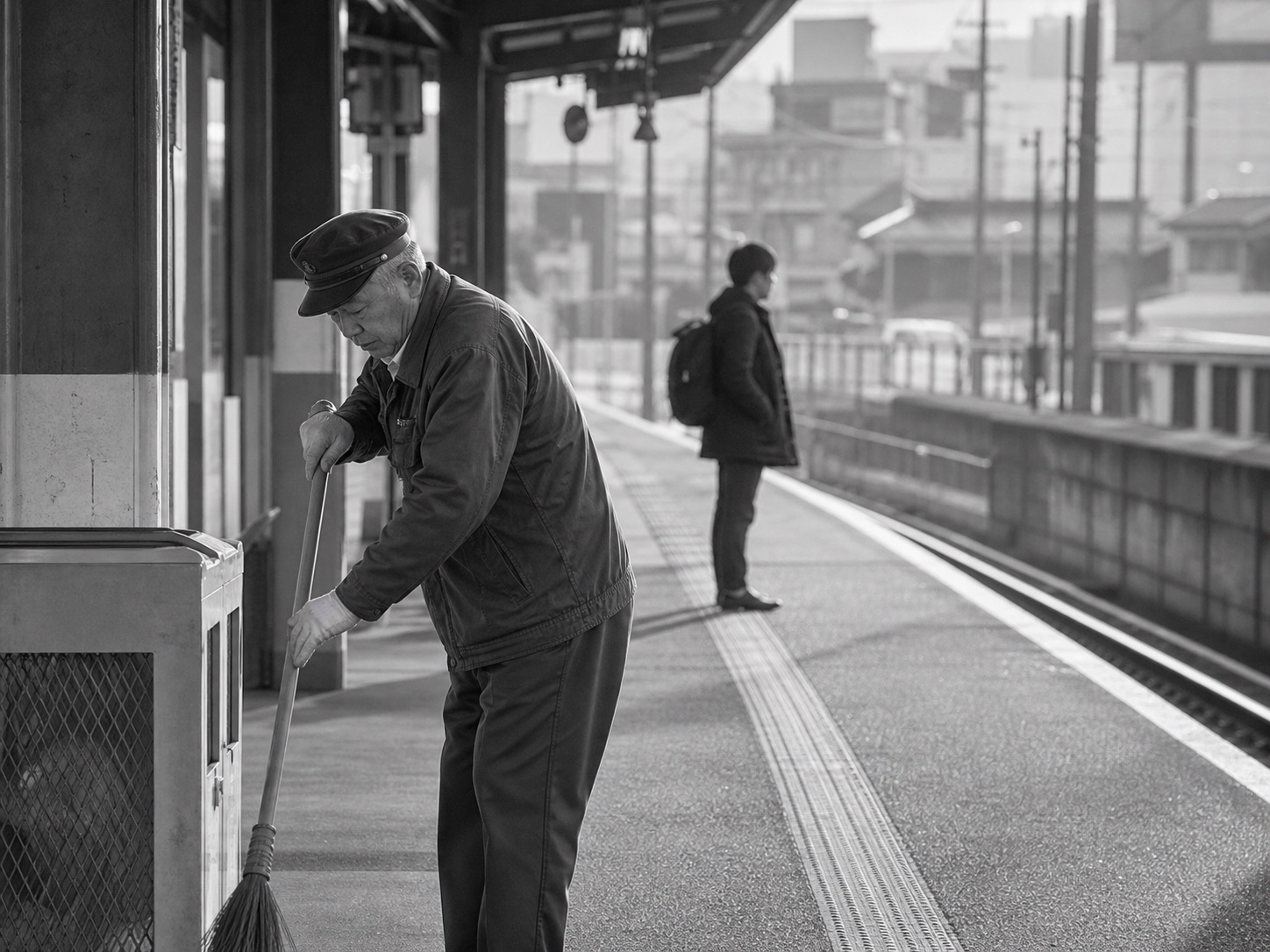
How Japan’s new-graduate job market works
Japan’s school-to-work transition has its own calendar, signals, and rituals. Understanding the system explains why students begin job hunting early and why a first job can matter so much.
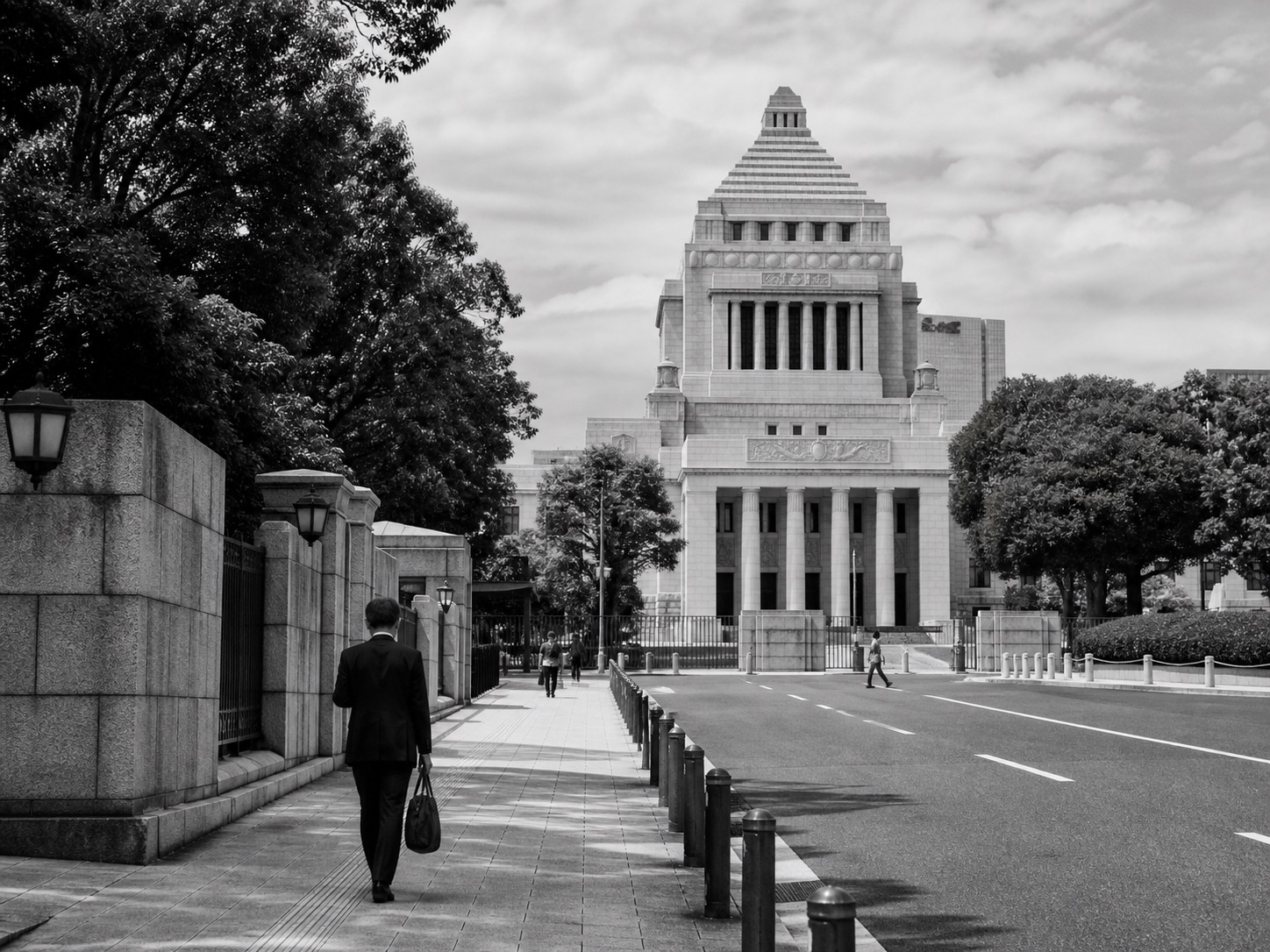
How political donations work in Japan
Political money is not automatically a bribe. Japan’s rules try to separate legitimate political finance from hidden influence through reporting, limits, and disclosure.

How to read Japan’s economic indicators without chasing one number
Japan’s economy can look healthy or weak depending on which statistic you read first. The useful picture appears when prices, wages, output, and household behaviour are read together.
What Japan’s Constitution says about work
The freedom to choose an occupation sounds simple, but constitutional rights meet licensing, public safety, labour rules, and the government’s duty to protect people from abuse.
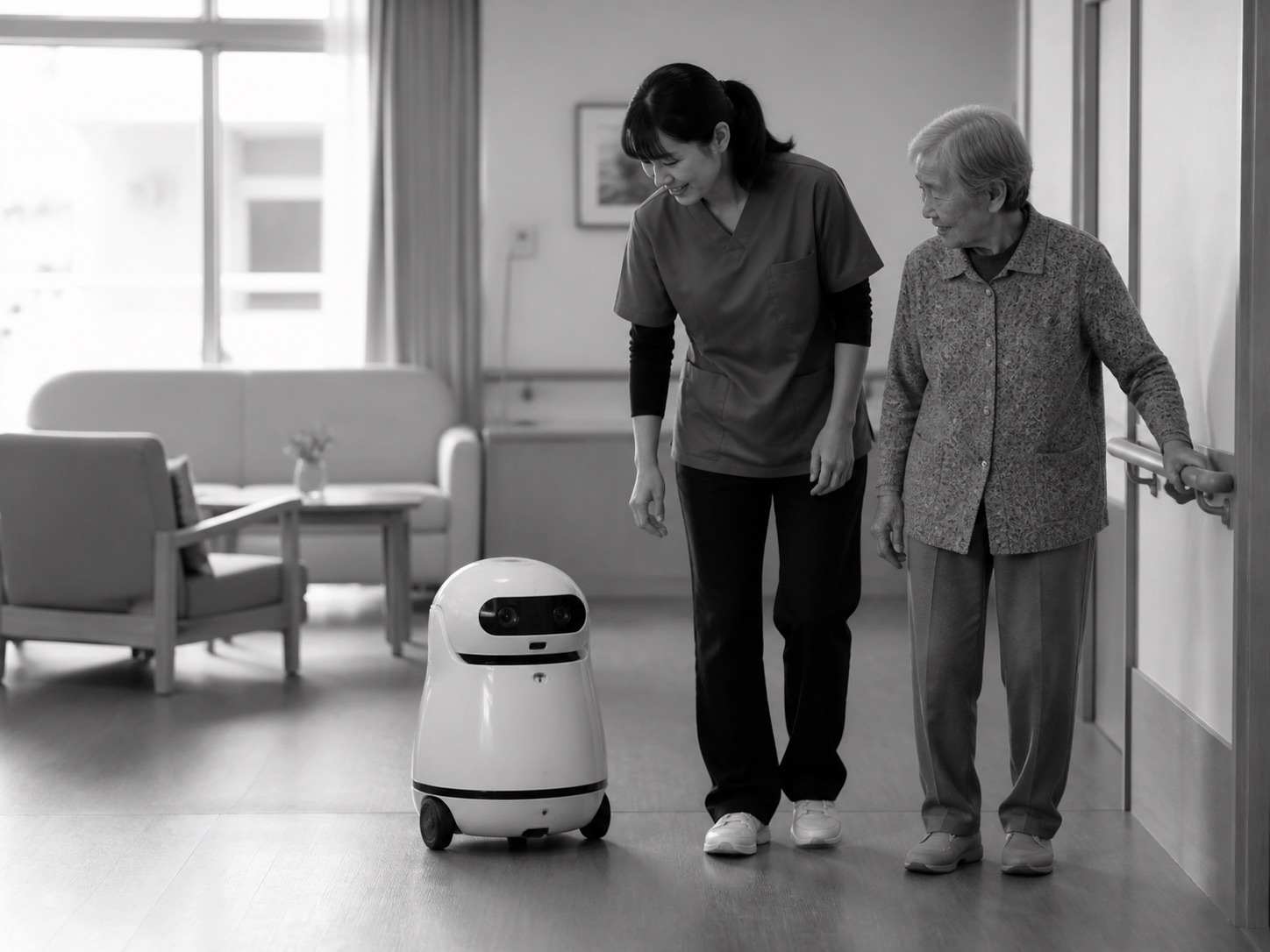
What washoku means beyond a list of dishes
Washoku is not simply sushi, ramen, or a catalogue of ingredients. It is a living food culture shaped by seasons, place, social practice, and the passing of knowledge between generations.
Why the yen moves: a plain-English guide to exchange rates
The yen does not move because one country is simply “strong” or “weak.” Interest rates, trade, risk, expectations, and positioning all change the price of one currency against another.
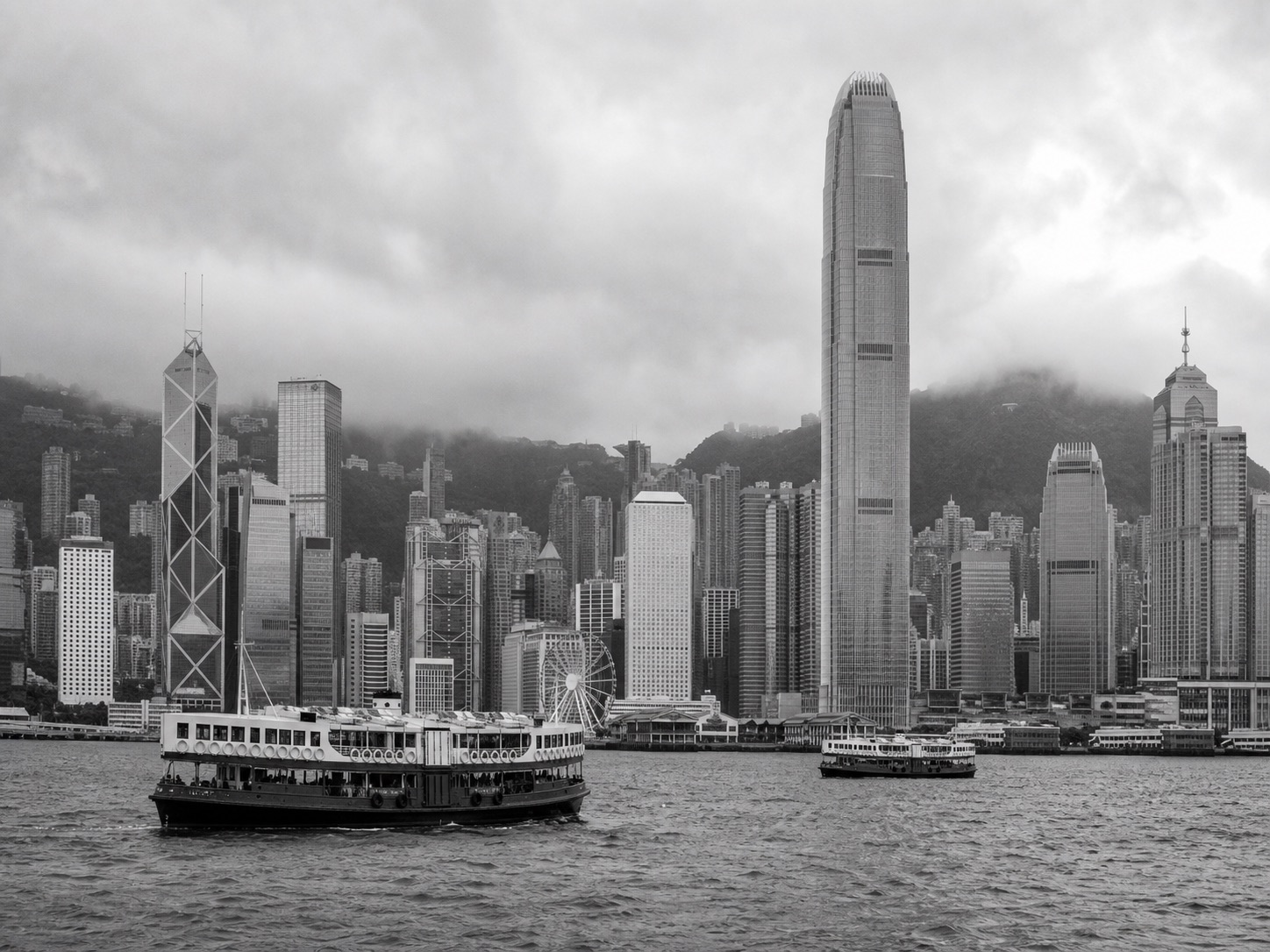
How advertising shapes public life in Japan
Advertising is not only a message between a brand and a customer. It is also a system of media buying, public space, measurement, culture, and attention.
How Bashō made place visible
Matsuo Bashō’s travel writing is remembered for short poems, but its lasting power comes from the way movement, landscape, memory, and attention become one form of thought.
How coalition government works in Japan
Japan’s parliamentary system is easier to understand when the prime minister, the Diet, parties, and coalition agreements are treated as separate pieces of the same machine.
How Japan’s consumption tax works
A consumption tax travels through businesses but is designed to be borne by final consumption. The important story is the chain of invoices, deductions, and distribution—not a single number on a receipt.
How Japan moved from carrier-locking to SIM-free
A SIM-free phone is not just an unlocked handset. It is a change in the relationship between devices, carriers, switching costs, and consumer choice.
How Japan’s transit cards became infrastructure
A tap at the gate looks simple because a large system is doing the difficult work underneath: identity, settlement, interoperability, access control, and trust.
How Japan’s music market works
Japan’s music business is a useful case study in how physical products, digital services, fandom, rights, and distribution can coexist instead of replacing one another cleanly.
What inequality measures can—and cannot—tell us
A single number can describe a distribution, but it cannot explain the lives, policies, and trade-offs behind that distribution. Reading inequality means knowing what is being measured first.
What iPS cells changed
Induced pluripotent stem cells changed the question from “where do cells come from?” to “how can a mature cell be reprogrammed, tested, and used responsibly?”
Why coding education is really systems education
Teaching programming is not mainly about producing junior developers. It is about helping people understand instructions, constraints, feedback, and the systems they use every day.
Why convenience stores became infrastructure
Japan’s convenience stores are not simply places to buy snacks. Their importance comes from hours, location, logistics, small services, and the routines built around them.
How happiness is measured
Happiness is not one number hidden inside a person. Researchers measure different parts of well-being, and each measure makes some experiences visible while leaving others out.
What child poverty means
Child poverty is not only a low household income. It is a shortage of the resources, security, time, health, learning, and relationships a child needs to develop.
What equal rights require in practice
Equal rights are not achieved by declaring everyone the same. They require protection from discrimination, access to institutions, and the ability to live without a penalty for identity.
How food brands compete
A global food chain is not only a menu. It is a system of franchising, real estate, standards, local adaptation, labour, supply, and public trust.
How Japan and the world play different games
Japan’s game market has its own history of platforms, genres, audiences, and business models. Comparing it with the global market requires more than counting titles or players.
What alcohol metabolism can—and cannot—tell us
Flushing after a drink is a visible reaction to a complex process. It can offer a clue about metabolism, but it is not a complete measure of health, risk, or identity.
How Japan chooses its prime minister
Japan’s prime minister is not elected in a separate national vote. The position emerges from parliament, party leadership, and the balance between the two houses of the Diet.
Why Japan has labour shortages even when growth feels slow
Japan’s labour shortage is not one vacancy problem. It is the meeting point of demography, sector mismatch, regional decline, and a work culture being forced to adapt.
Why Japan’s population is shrinking
Population decline is not a single demographic event. It is a feedback loop between fewer births, more deaths, delayed family formation, and places becoming harder to live in.
What Japan’s care-robot experiments are really trying to solve
The most useful care technology does not replace a caregiver. It gives scarce people more time for the parts of care that machines cannot do.