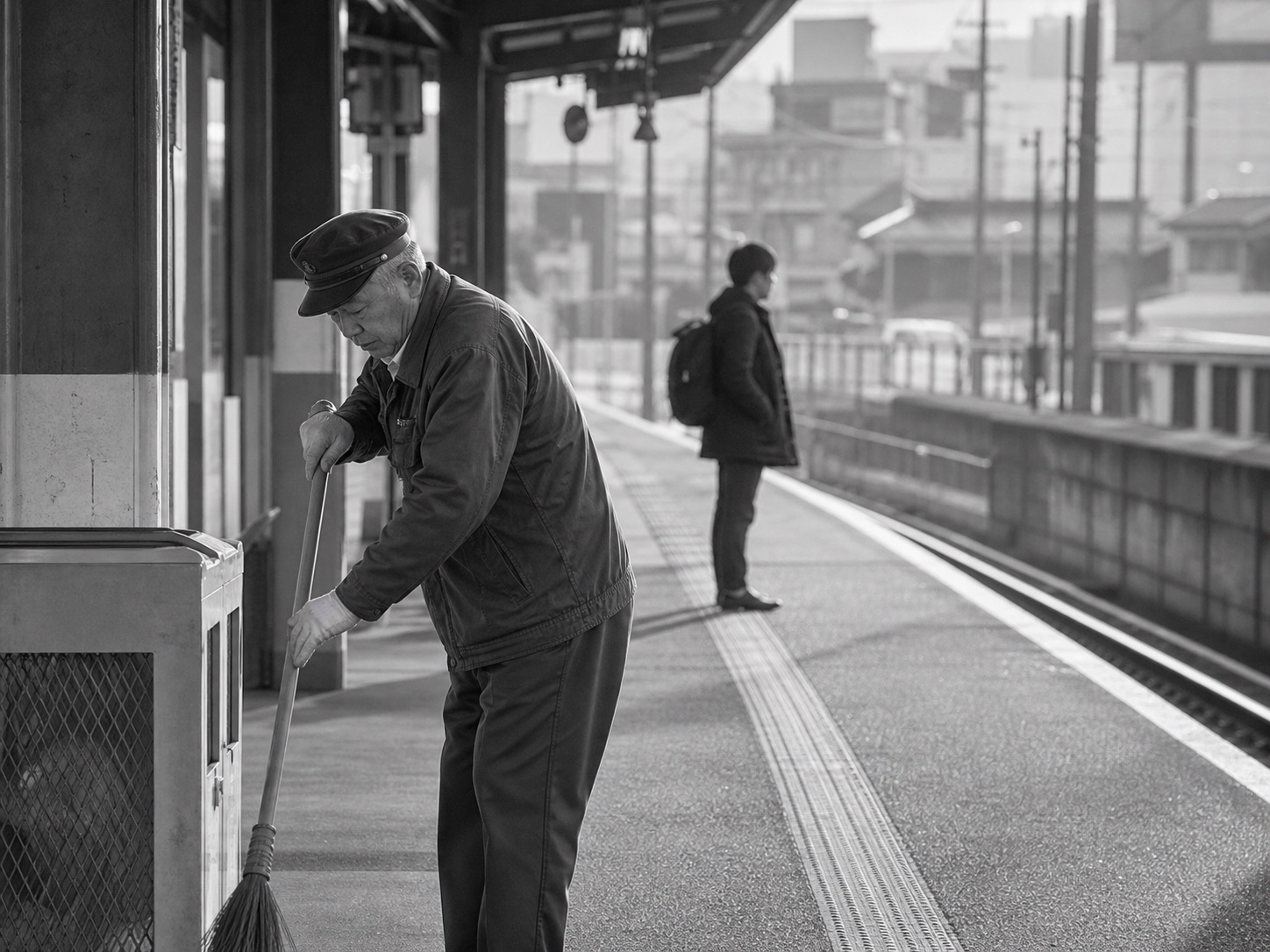
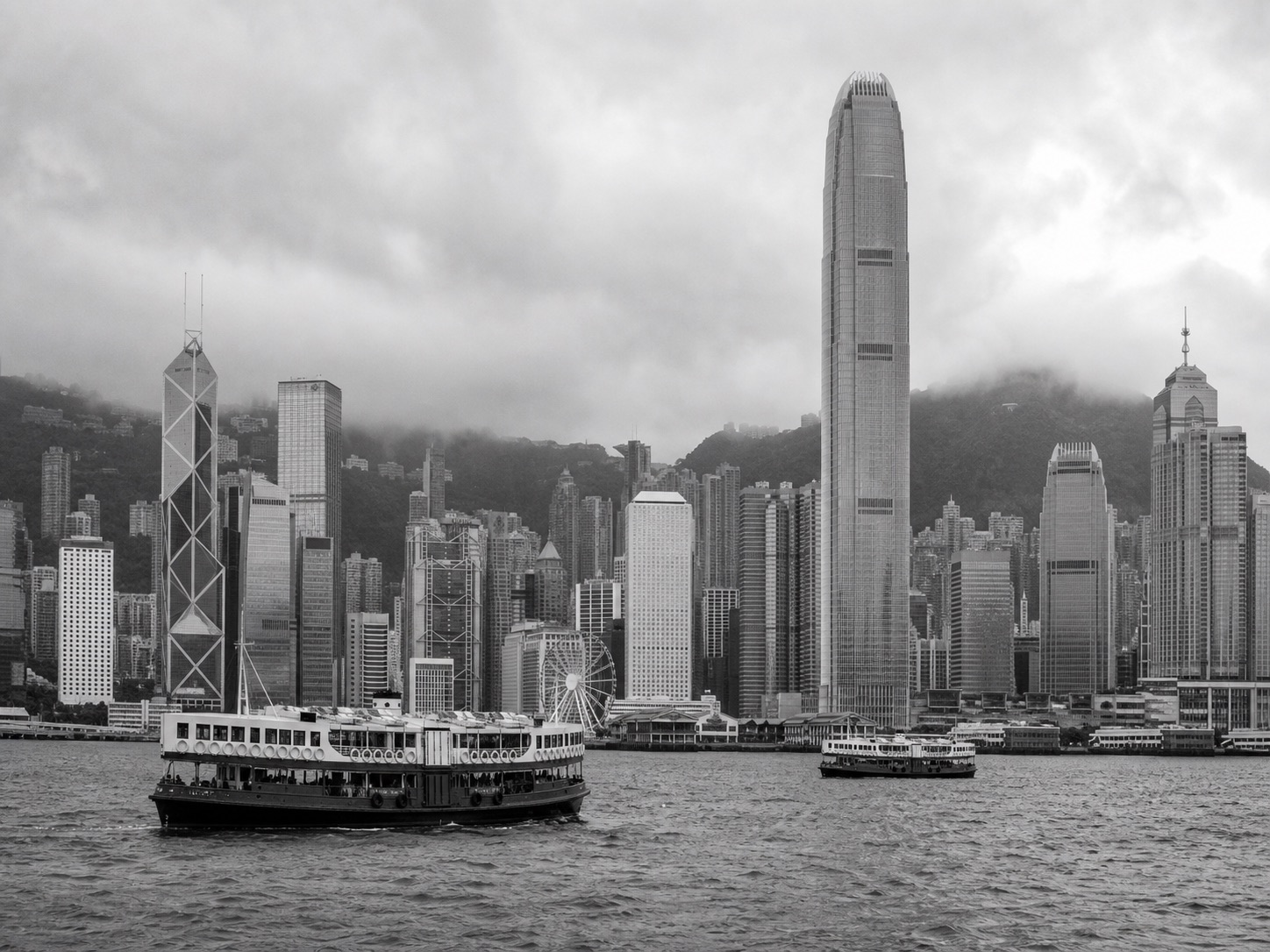
What global coverage misses about ageing in Asia
“Asia is ageing” is true but incomplete. The pace, shape, and institutional consequences differ enough that one regional story can hide the decisions each society has to make.

Ageing is one of the most important stories in Asia, but it is often told as a single warning: fewer workers, more retirees, rising care costs. The direction is real. The single story is not.
Same direction, different clocks
Countries enter demographic transition at different times and speeds. Some have already built mature pension and care systems. Others are ageing while still trying to expand basic health coverage, urban infrastructure, or formal employment. A policy copied from one country can arrive at the wrong moment in another.
Even within a country, the clock differs by place. Capital cities can attract young adults and skilled migrants while rural areas age faster. A national average can therefore hide the real operational question: which neighbourhoods will still have enough workers, schools, clinics, and transport to function?
The system is larger than the pension
Pensions matter, but an older society also changes the demand for housing, care, mobility, work, and public space. A city built around commuting and stairs creates a different burden from one designed around accessible neighbourhood services. A labour market that assumes a worker retires completely creates a different pressure from one that supports flexible, meaningful later-life work.
The care question is especially revealing. Formal care, family care, migrant care, community networks, and technology are not interchangeable. When one part becomes scarce, the burden moves somewhere else—often onto women, older spouses, or underpaid workers.
Migration changes the map
Migration can slow the decline of a workforce and connect regions to new skills. It cannot be treated as a plug-in replacement for all demographic effects. Migrants need housing, rights, language support, schools, and a reason to stay. The receiving society must decide whether it wants temporary labour or long-term membership.
Read ageing as institutional design
The useful comparison is not “which country is oldest?” It is “which institutions have adapted, and which are still built for a younger population?” Asia’s ageing story is an invitation to redesign the everyday systems that make a life possible.
That is why the future will not be decided by demographics alone. It will be decided by whether housing, work, care, technology, and public finance can be made to fit the people who will actually use them.
Sources & methodology
The sources below anchor the explanation. They are starting points for verification, not decoration.
- 01 United Nations — World Population Prospects
Comparative population data and projections for countries and regions across Asia and the world.
- 02 OECD — Ageing and employment policies
Research on older workers, retirement, skills, and labour-market institutions.
- 03 Asian Development Bank — Social development and protection
Regional context for social protection, health, inclusion, and demographic transition.