How Hong Kong connects capital and China
Hong Kong’s role is best understood as a set of interfaces: legal, financial, geographic, and cultural links that connect mainland China to global markets.
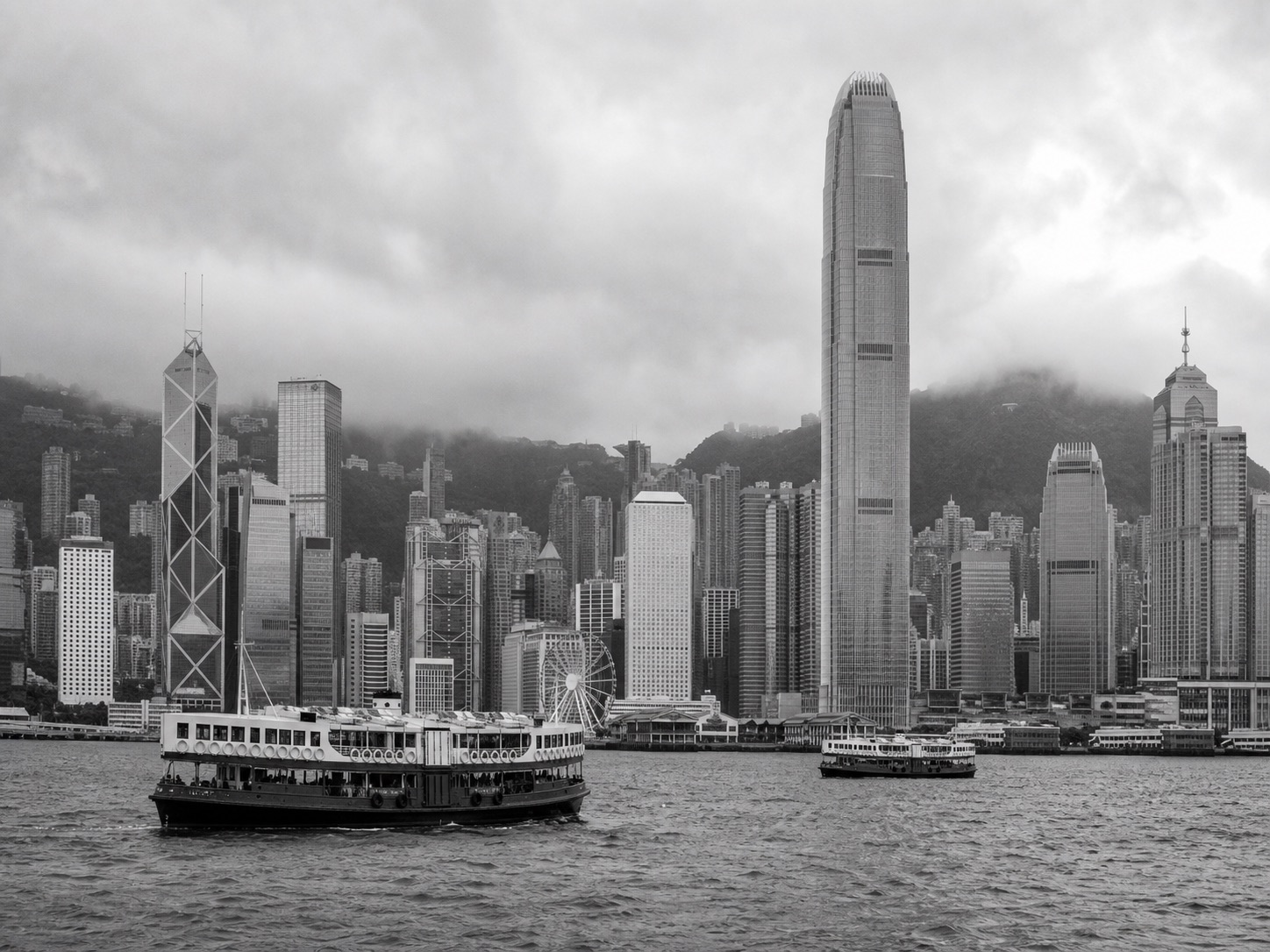
Calling Hong Kong a “gateway to China” is useful only if we ask what the gate actually does. A gateway is an interface: a place where different legal systems, currencies, networks, and expectations meet, allowing a transaction that would be harder to organise directly.
The interface is the product
Hong Kong’s role grew through a combination of location, commercial law, finance, logistics, professional services, and relationships with mainland companies. Banks, accountants, lawyers, insurers, traders, and investors made the interface usable. A company could raise capital, manage foreign currency, or reach international shareholders through an environment designed for cross-border activity.
That function is different from being simply “open” or “close” to China. It depends on the details: which contracts are recognised, how money moves, how a company lists, how disputes are handled, and how international participants understand the rules.
Offshore does not mean separate
Hong Kong’s financial system is connected to mainland China while retaining mechanisms that make it legible to international investors. This creates opportunity and tension at once. The city can channel capital into mainland-linked businesses, but its value depends on participants believing that the interface remains predictable enough to use.
The renminbi’s offshore ecosystem is one example of this logic. International participants can gain exposure to China-related activity without operating inside the mainland’s full financial system. The arrangement expands choice for some users while remaining dependent on policy decisions on both sides.
Gateways face competition
A gateway is never permanent. Other cities can offer capital, arbitration, logistics, talent, or direct access to mainland markets. Hong Kong’s advantage has to be renewed through competence: efficient institutions, deep professional networks, reliable infrastructure, and a reason for businesses to keep using the city rather than routing around it.
Political and regulatory change therefore matters because it changes how the interface is perceived. Trust is not an abstract reputation score. It is the accumulated expectation that a cross-border transaction will be understood, settled, and enforceable.
Read the city as infrastructure
The most useful way to understand Hong Kong is not as a simple midpoint between China and the world. It is a piece of institutional infrastructure. Its future depends on which connections remain valuable, which are redesigned, and whether the city can keep converting proximity into services that people are willing to pay for.
Sources & methodology
The sources below anchor the explanation. They are starting points for verification, not decoration.
- 01 Hong Kong Monetary Authority — International financial centre
Official overview of Hong Kong’s monetary and financial infrastructure and its connection to global markets.
- 02 The Basic Law of the Hong Kong Special Administrative Region
The constitutional framework for Hong Kong’s institutions and its relationship with the mainland.
- 03 Hong Kong Trade Development Council — Research
Market and trade context on Hong Kong’s role in regional business and investment flows.