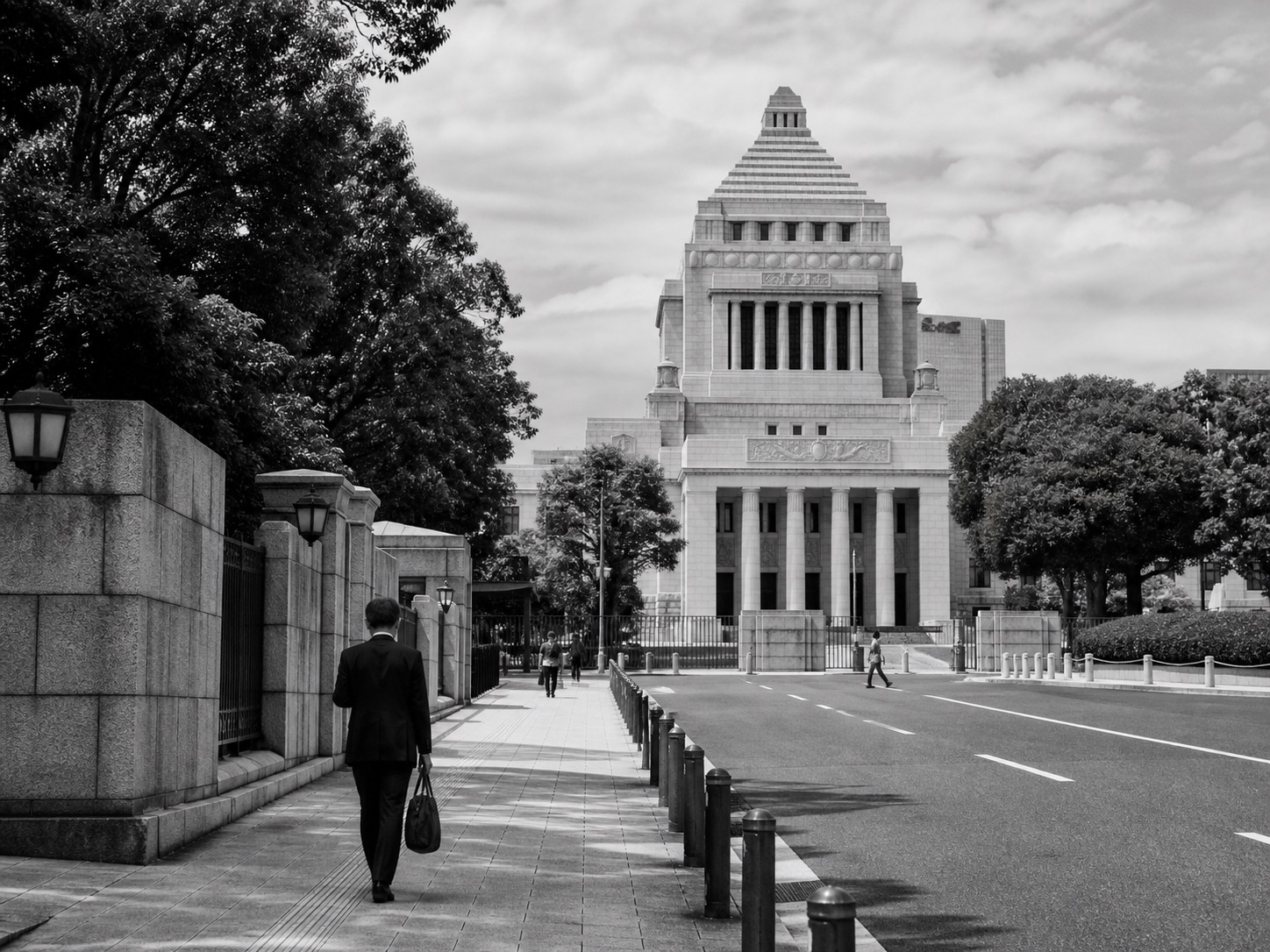
What Japan’s Constitution says about work
The freedom to choose an occupation sounds simple, but constitutional rights meet licensing, public safety, labour rules, and the government’s duty to protect people from abuse.
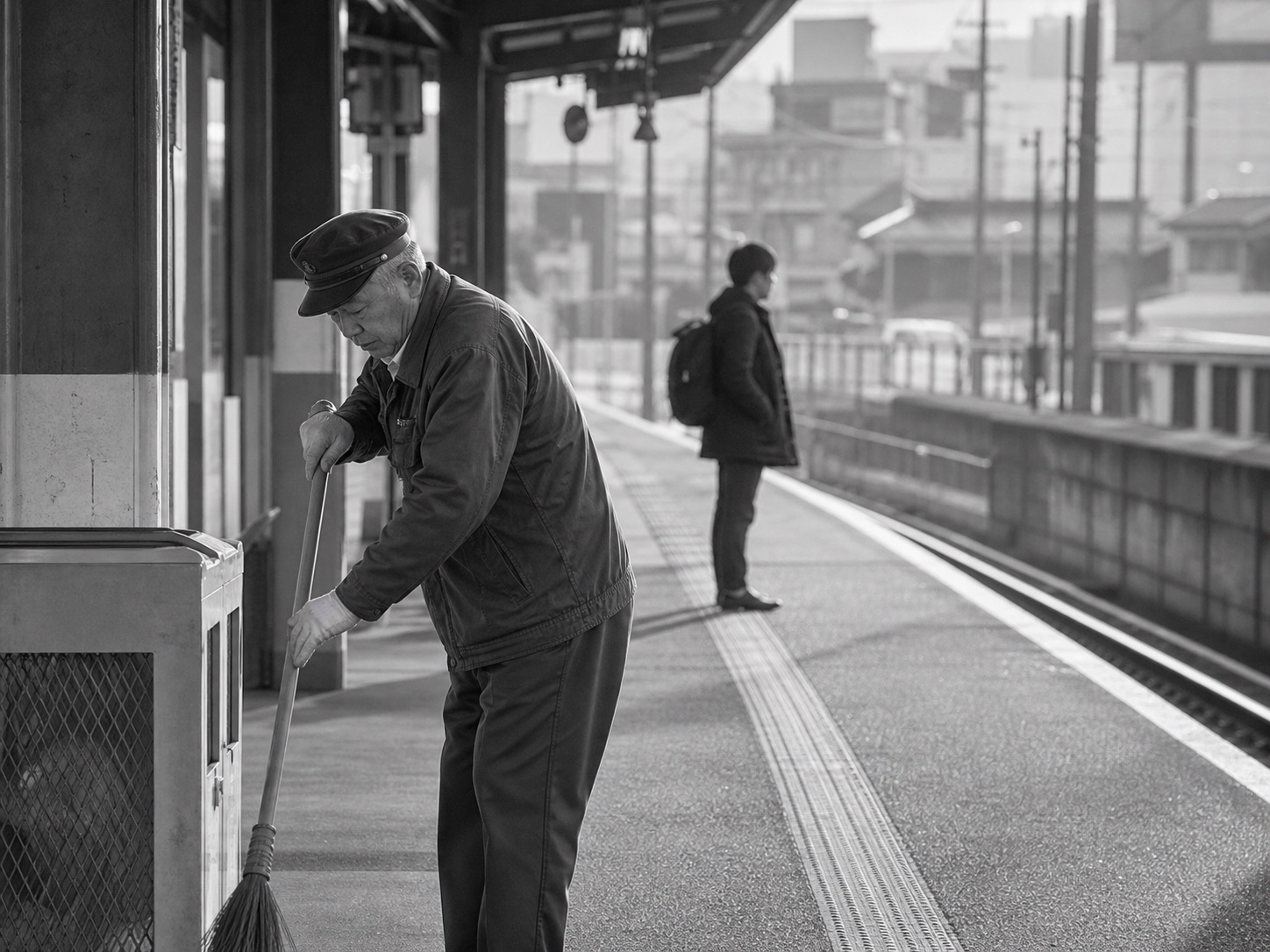
The freedom to work is easy to describe and difficult to apply. A person may want to enter a profession, open a business, move for a job, or leave an employer. The state may also require training, a licence, safety standards, or rules designed to protect customers and workers. Japan’s constitutional framework sits inside that tension.
A right to choose is not a right to avoid every rule
Article 22 of the Constitution protects freedom to choose an occupation, subject to public welfare. That wording matters. It recognises work as part of personal autonomy while leaving room for regulation when an activity affects health, safety, trust, or the rights of others.
The existence of a licence is therefore not enough to decide whether a rule is valid. The better questions are what risk the rule addresses, whether the rule is connected to that risk, and whether the burden on people trying to work is proportionate.
Why professions are regulated differently
A doctor, taxi driver, childcare worker, builder, financial adviser, and restaurant owner do not create the same kind of risk. Regulation may require different combinations of education, exams, inspections, insurance, record-keeping, or continuing responsibility.
The challenge is keeping a protective rule from becoming a barrier that mainly protects existing insiders. A licence that improves competence can serve the public. A process that is opaque, excessive, or unrelated to the real risk can reduce mobility and competition.
Constitutional freedom is not the whole labour market
The right to choose an occupation does not guarantee a job, a particular wage, or a successful business. Those questions involve labour law, social insurance, discrimination, contracts, and economic conditions. Constitutional review asks a different question: whether the state has unjustifiably restricted the person’s freedom to work.
This distinction is useful because a person can be legally free to enter a field while still facing an unfair workplace. Conversely, a safety rule can limit how a business operates without eliminating the underlying freedom to choose that occupation.
The modern question is access
Technology changes which work is easy to enter and which work requires institutional permission. Platform work, professional services, care, transport, and remote cross-border jobs all raise questions about who sets the standards and who bears the risk.
The constitutional principle remains practical: public rules should protect people without treating economic freedom as a privilege reserved for those already inside a profession. The balance is not “regulation or freedom”. It is whether regulation makes the wider system safer and fairer without closing the door unnecessarily.
Sources & methodology
The sources below anchor the explanation. They are starting points for verification, not decoration.
- 01 The Constitution of Japan
Article 22 provides the primary constitutional text on residence, movement, and choice of occupation.
- 02 Japanese Law Translation Database
Official translations and references for the statutes that regulate professions, businesses, and employment.
- 03 Supreme Court of Japan
Institutional reference for Japan’s courts and the interpretation of legal disputes.